
Damaged houses, two wounded. Russian troops shelled 33 settlements in Kherson region
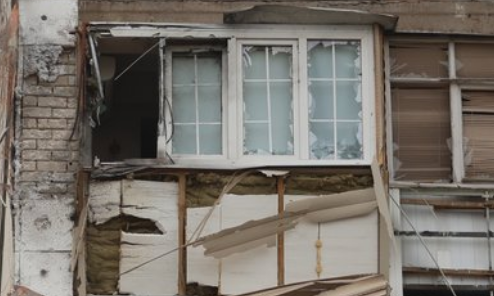
On March 18, Russian troops attacked 33 settlements in Kherson region with various types of weapons.
This was reported on the morning of March 19 by the head of the regional military administration, Alexander Prokudin.
According to him, the Russians hit social infrastructure, residential areas of settlements. In particular, two high-rise buildings, 21 private houses, an outbuilding, gas pipes, a garage and cars were damaged.
Two people were injured as a result of Russian attacks, the post says.
Russian troops attacked six settlements in the Kherson community in a day. Kherson, Antonivka, Prydniprovske, Sadovoe, Komyshany, Zelenivka were under attack, reported the head of the city military administration, Yaroslav Shanko.
“As a result of Russian attacks in the Kherson community, one person was injured,” he wrote.
Earlier, the regional military administration reported that a Russian drone attacked Nova Kamyanka of the Mylivska community in the Kherson region at approximately 11:30. A 66-year-old man received an explosive injury, shrapnel wounds to the head, legs, chest and abdomen.
The regional prosecutor’s office also reported that Russian soldiers attacked one of the streets of Kherson. Two police officers were injured.
In the Kherson region, Russians are stealing salt and exporting it to Russia
In the temporarily occupied Kherson region, the Russian company Solprom has launched a large-scale theft of salt. The resource is being centrally sent to Russia, using fictitious investment projects to legalize the looting.
Under the guise of “resumption of production”, the Russians received 40 hectares of land from the local administration for salt mining. The export plan provides for up to 14 thousand tons per year.
Extraction and export are carried out centrally, and the procedure itself is legalized through fictitious investment projects.
Experts note that Genichesk has actually been turned into a free raw material base for Russian business, and local resources benefit the occupiers, not the citizens of the Kherson region.
The local population remains without control over the subsoil, and the situation threatens long-term economic losses for the region.