
The consequences of Russian strikes in Korosten caused environmental damage of almost 1 billion UAH
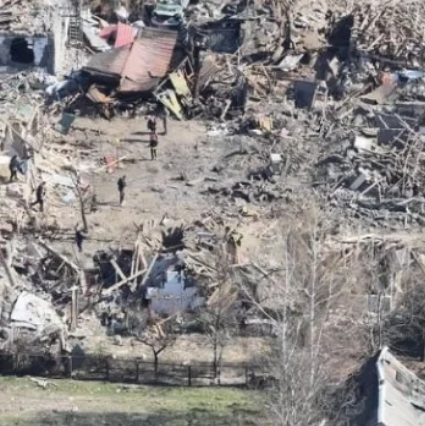
Ecologists have calculated the damage caused by land contamination and air pollution as a result of the Russian shelling of Korosten, Zhytomyr region on April 3, 2026.
This was reported by the press service of the State Environmental Inspectorate of the Polissya District on April 27.
“As a result of the next missile and bomb strikes by the Russian Federation on civilian and critical infrastructure facilities in the city of Korosten, the State Environmental Inspectorate of the Polissya District recorded significant facts of land contamination and assessed the damage caused to the environment. In particular, in the places of hits on the critical infrastructure facility and in the territory of the Brovary microdistrict, contamination of land plots with a total area of over 22 thousand sq. m. was established. m. The total amount of damage caused by land contamination in these areas is over 986.5 million UAH. To understand the scale: this is comparable to the area of more than three football fields covered with debris and debris from the destruction,” the report says.
In addition, due to the fire that broke out in the areas of impact on April 3, 2026, more than 200 tons of carbon dioxide (CO₂) and other pollutants were released into the atmosphere. This volume of emissions is comparable to emissions from burning tens of thousands of liters of fuel. The total damage from unorganized emissions into the atmosphere is estimated by the Inspectorate at over 1.9 million UAH.
Thus, the total amount of damage caused to the environment as a result of the above-mentioned shelling exceeds 988 million UAH.
“The scale of land contamination and air pollution indicates the systemic nature of the damage that the Russian Federation is causing to the environment of Ukraine. Each such fact is carefully recorded for further prosecution and compensation for damages,” the head of the State Environmental Inspectorate of the Polesie District emphasized. All materials with the relevant calculations have been transferred to law enforcement agencies and prosecutors’ offices to record war crimes against the environment and further collect reparations from the Russian Federation within the framework of criminal proceedings under Articles 441 “Ecocide” and 438 of the Criminal Code of Ukraine.