
After the guided aerial bomb strike on Zaporizhzhia, some bodies are unrecognizable: people were burned alive
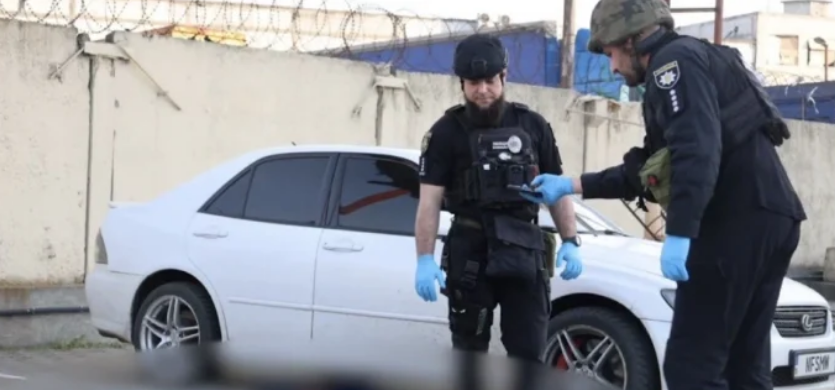
After the Russian guided aerial bomb strike on Zaporizhzhia on May 5, police continue to identify the dead. Some of the bodies cannot be identified visually due to severe injuries and burns, so experts are conducting molecular genetic examinations.
Employees of the Center for the Search for Persons Missing in Special Circumstances have already taken biological material from the relatives of the deceased to form DNA profiles. The police note that this procedure is difficult not only technically, but also morally, as the families are in a difficult psychological state.
According to law enforcement officers, the Russian attack took the lives of 12 residents of Zaporizhzhia. So far, the identities of eight of the deceased have been established, while four more remain unidentified.
Close relatives are involved in the examinations – parents, children or other first-degree family members. After the selection of biological material, experts must isolate the DNA of the unidentified deceased and conduct a comparative analysis.
The police explain that the initial identification of relatives can take several hours or days, but the full examination process, due to the heavy workload during martial law, sometimes takes up to a month.
Law enforcement officers emphasize that they are doing everything possible to quickly identify the deceased and hand over their bodies to their relatives for a dignified burial.