
In Melitopol, a mother of two children was sentenced to 14 years in a colony for transfers to Ukraine
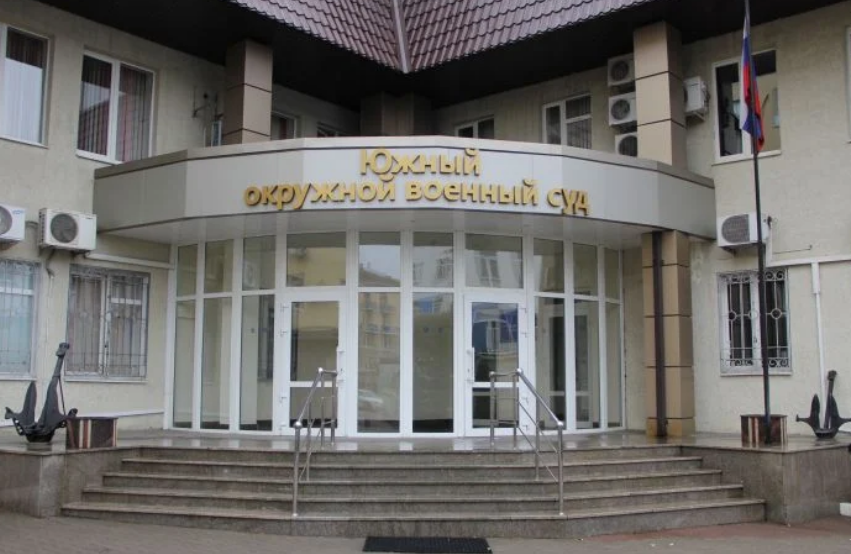
The Southern District Military Court of the Russian Federation has handed down another harsh sentence in the case of support for Ukraine. 44-year-old resident of Melitopol, Marina Meshkova, was sentenced to 14 years in prison on charges of high treason and financing terrorism.
This was reported by the Russian judicial authorities.
According to the prosecution, from December 2023 to April 2024, Marina Meshkova, while in Melitopol, made money transfers to accounts that, according to Russian law enforcement officers, were used by the Legion of Freedom of Russia unit, recognized as a terrorist organization in the Russian Federation.
In addition, the Russians claim that the woman transferred money to bank cards through which funds were collected for the Armed Forces of Ukraine.
As a result, the court found her guilty and sentenced her to 14 years in prison in a general regime penal colony.
It is known that Marina Meshkova was detained in Melitopol on July 25, 2024. After her arrest, a criminal case was opened against her under articles of high treason and aiding terrorist activities.
The Ukrainian woman is currently being held in the Federal State Institution Investigative Detention Center -1 of the Rostov Region of the Russian Federation.
According to the human rights project “If There Were No War”, which maintains a database of politically motivated criminal prosecutions in Russia and the temporarily occupied territories of Ukraine, Marina Meshkova is a citizen of Ukraine, on whom Russian citizenship was imposed after the occupation.
Human rights activists note that the woman has two children in her care. After the arrest, contact with them was lost.
According to available information, Maryna Meshkova does not know where her children are now and who is taking care of them. It is also reported that the woman suffers from chronic hepatitis.
After the occupation of Melitopol, Russian law enforcement agencies regularly initiate criminal cases against local residents on charges of “treason”, “terrorism”, “extremism” and financing the Ukrainian army.
In many cases, the grounds for persecution are money transfers, social media followers, comments or any manifestations of support for Ukraine.
According to human rights activists, residents of temporarily occupied territories find themselves in a particularly vulnerable position, since criminal cases are considered by Russian military courts, and the accused are often held for months in pre-trial detention centers far from home and relatives.