
The number of dead has increased to 10 – Russia attacked a Turkish grain tanker near Odesa with missile
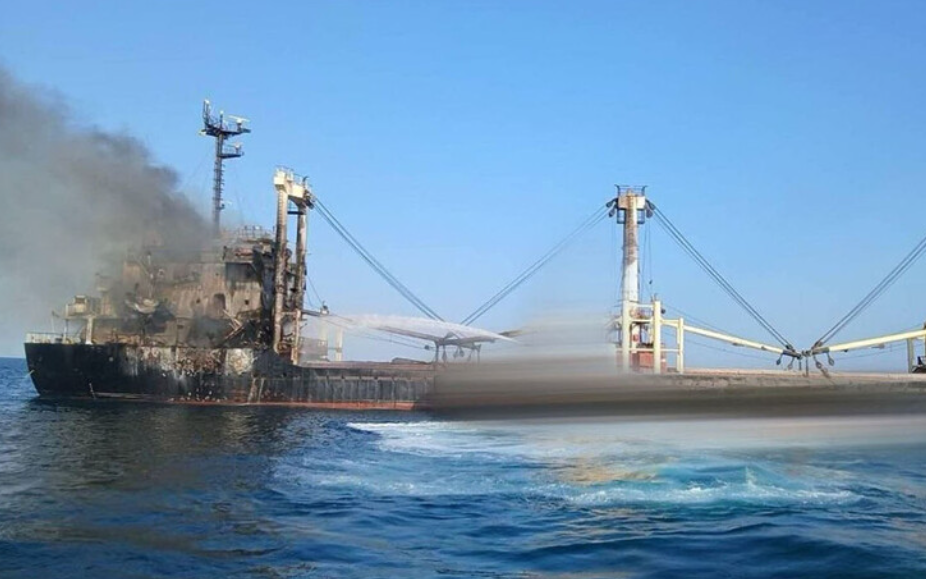
The number of victims of the Russian missile strike on the civilian dry cargo ship Golden Leo near Odesa on July 19 has increased to 10 people. Nine crew members and a Ukrainian pilot who was accompanying the ship as it left the port were killed. Eight more sailors were rescued, and the fire on the ship was extinguished after a night-time search and rescue operation.
According to the Ukrainian Navy, Russian forces struck the dry cargo ship with three Kh-59/Kh-69 cruise missiles. The Guinea-Bissau-flagged vessel, owned by a Turkish shipowner, was leaving a Ukrainian port with a cargo of corn when the missiles hit the starboard superstructure, causing a fire.
The Ukrainian Sea Ports Authority said there were 17 sailors on board, including citizens of Syria and India, as well as a Ukrainian pilot. The search and rescue operation lasted all night, after which all survivors were taken to hospital.
Acting Foreign Minister Andriy Sybiga called the attack another example of Russian terror against international shipping.
On July 18, Russia attacked another foreign merchant ship in the Black Sea, flying the flag of Antigua and Barbuda, killing one person and injuring three others.
The Minister for Community, Territorial and Infrastructure Development, Mykola Kalashnyk, stressed that the attack on the Golden Leo was an attack not only on Ukraine, but also on the freedom of international trade and global food security. According to him, Russia is deliberately trying to disrupt the work of the Ukrainian maritime export corridor.
The Russian Ministry of Defense said that it allegedly hit two bulk carriers with “military cargo” near Odesa, but the Ukrainian side emphasizes that the Golden Leo was carrying a civilian cargo of grain and did not pose any military threat.
In recent weeks, Russia has significantly intensified attacks on Ukrainian port infrastructure and civilian vessels. This has affected the work of grain exports: some shipowners refuse to enter Ukrainian Black Sea ports due to high risks, and traders are reducing grain purchases for sea shipments.