
Refueling for war? Russia is asking Lukashenko for more fuel
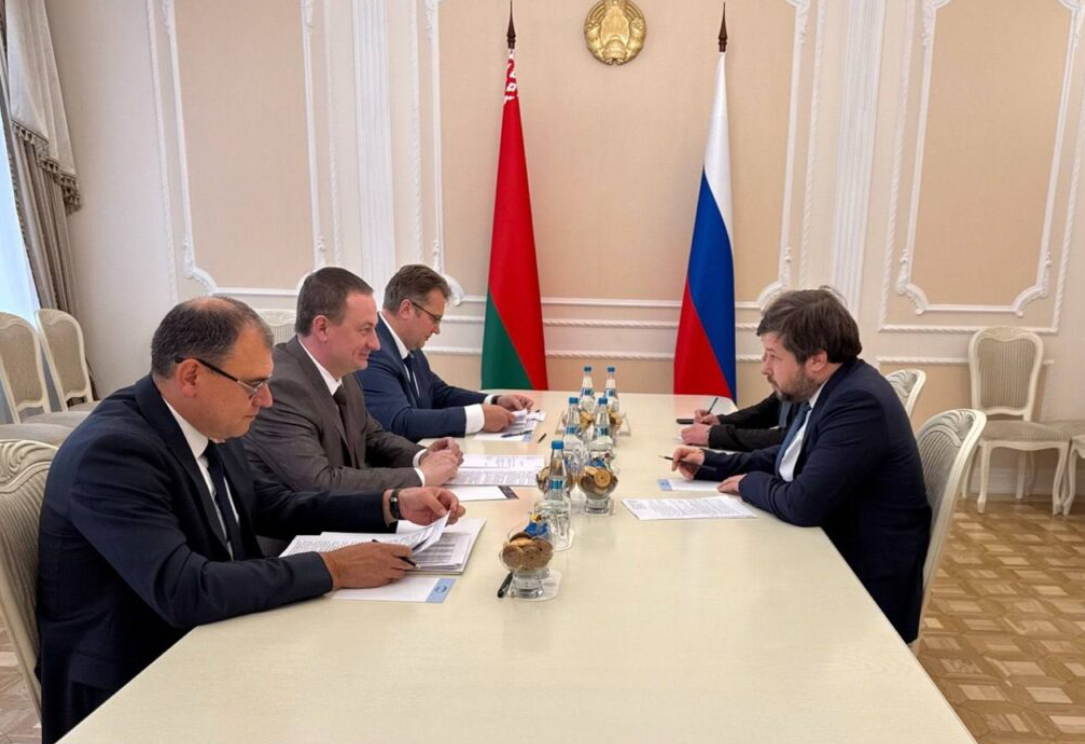
On August 12, Belarusian Prime Minister Alexander Turchin met with Russian Deputy Energy Minister Pavel Sorokin. Official reports on the negotiations from the Belarusian side were extremely scant, and from the Russian side there were none at all. However, given the return of the gasoline crisis to Russia and the Russian minister’s area of responsibility, it can be assumed with a high degree of certainty that Russia is apparently asking Belarus for even more gasoline.
As the Belarusian government reported, “The focus is on current issues of bilateral cooperation in the energy sector, including mutual energy supplies.”
This mutual supply arrangement has long been established. Russia supplies oil to Belarusian refineries and, in return, buys increasing amounts of fuel. In June, Belarusian supplies to Belarus amounted to 141,000 tons. In July, they increased to 212,000. The meeting was a logical continuation of the dialogue held in Cholpon-Ata and the agreements reached by the heads of government of Belarus and Russia, Alexander Turchin and Mikhail Mishustin.
On August 11, before his meeting with the Russian Prime Minister, Deputy Minister Turchin reported the results of his talks with Mishustin to Alexander Lukashenko. Once again, the authorities did not share any details of this report.
Theoretically, one could assume that Russia is requesting an increase in supply volumes. Especially since, after a very brief respite, the gasoline crisis is returning.
The idea of cutting gasoline to Euro-2 and Euro-3 standards brought only temporary relief. And imported supplies could only partially offset the shortage while Ukraine reduced its strikes on refineries. In early August, Ukrainian long-range sanctions began to hit Russian oil refining with renewed force, and it turned out that much more imports were needed.
However, there is a problem. Belarus is unable to increase gasoline exports to Russia. July deliveries were already at the limit of Belarusian capacity. Belarusian refineries produce 290,000-300,000 tons per month. Of this, Belarusian consumption accounts for about 100,000 tons. Belarus can sell more gasoline to Russia only at the expense of its domestic market.
Diesel is a different matter. Belarusian refineries produce about 500,000 tons of diesel per month. Domestic consumption is 180,000-190,000 tons. In July, Belarus supplied Russia with 160,000 tons of diesel fuel. Therefore, there is potential to almost double supplies.
Meanwhile, back in July, the diesel situation in Russia was much better than the gasoline situation. This is because Ukraine primarily affected gasoline-powered units. However, other units also received some supplies. So, problems have been gradually accumulating. Now, many industrial enterprises are reporting critically low diesel fuel reserves. In the Krasnodar Territory, diesel fuel is already running low for the harvesting campaign.
But diesel fuel is needed for more than just combines. Diesel fuel is the primary fuel for war. And Pavel Sorokin is responsible for, among other things, fuel supplies for the Russian army as part of defense procurement. So perhaps it’s not surprising that Lukashenko was involved in the discussion of this promising commercial proposal. After all, risking the security of Belarusian refineries requires sanction at the highest level.
Source: https://planbmedia.io/signal/zapravka-dlya-vojny-rossiya-prosit-u-lukashenko-bolshe-topliva.html