
Russia blocks evacuation from Oleshky: over 6,000 people remain at risk
The Russian side has not confirmed its readiness to conduct a humanitarian evacuation from the temporarily occupied town of Oleshky in the Kherson region. More than 6,000 civilians, including approximately 200 children, may still be in the town and surrounding settlements.
According to Dmytro Lubinets, the Verkhovna Rada Commissioner for Human Rights, Ukraine has made all necessary preparations for the humanitarian mission. The International Committee of the Red Cross has confirmed its support and readiness to act within its mandate. The Ukrainian side has also agreed to a ceasefire, and security and defense forces have carried out the work required to establish a safe corridor.
The headquarters of the UN and the International Committee of the Red Cross in Geneva were officially informed of the situation several months ago. However, the Russian side has still not confirmed its readiness to facilitate the operation.
Preliminary estimates indicate that over 6,000 civilians remain in Oleshky and the community’s settlements, including about 200 children.
The Ombudsman’s Office has already received 176 official requests. Information has been confirmed regarding 358 individuals in need of immediate evacuation. Efforts to verify information and establish contact with residents of the occupied territory are ongoing.
Lubinets emphasized that civilians are effectively trapped in a deadly situation. The area is subject to constant shelling and drone attacks. People lack food, drinking water, and medicine, and have no access to medical care. The UN Human Rights Monitoring Mission in Ukraine had previously reported on the critical situation in Oleshky. Mission representatives interviewed over 20 local residents and individuals who had managed to leave.
As of the end of June 2026, the UN had confirmed the deaths of at least 29 civilians and injuries to another 54 people in Oleshky and Hola Prystan since the beginning of the year. A significant number of these incidents were linked to short-range drone attacks.
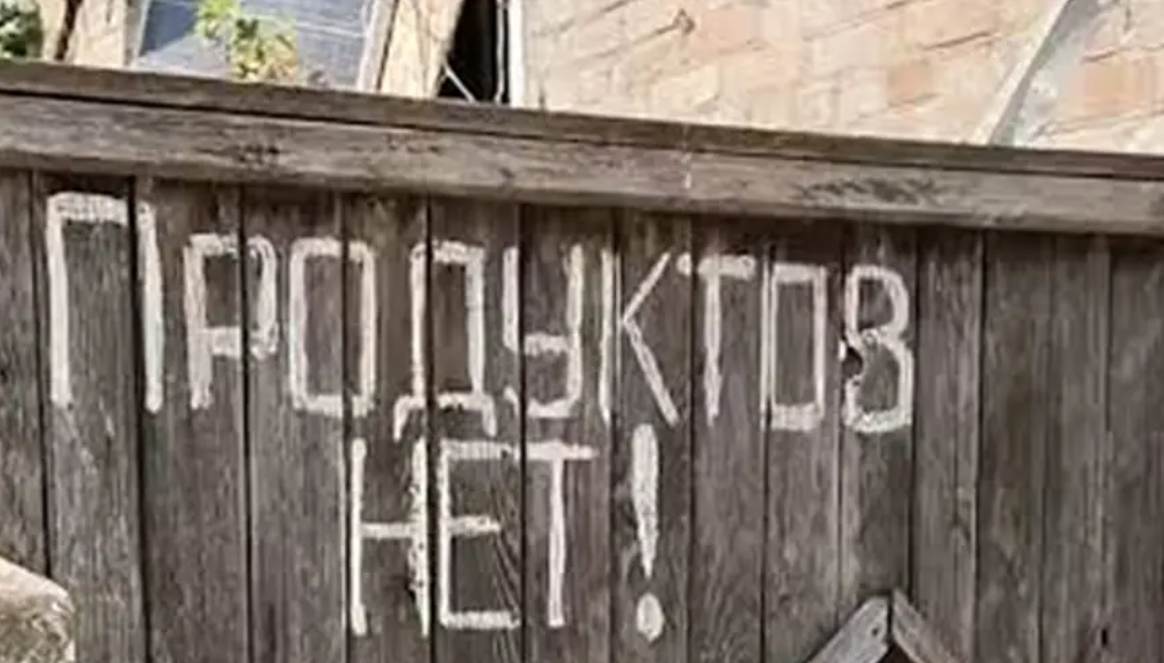
According to local residents, the last grocery store in Oleshky ceased regular operations back in January. People survived on their own stockpiles and limited private supplies. In late June, the UN reported that no food had been delivered to the town since May 26.
Accessing medical care is also extremely difficult. Due to the danger, ambulances cannot regularly respond to calls. The UN report cited at least four wounded individuals who required transport for medical treatment; one patient died while waiting for evacuation.
Traveling along roads near the frontline poses a lethal risk due to drones, shelling, and landmines. People are forced to cover parts of the journey on foot—a feat that is virtually impossible for the elderly, the seriously ill, and those with limited mobility.
According to the UN, volunteers managed to help approximately 180 people leave over the course of several months. The largest-scale evacuation took place during a brief lull in hostilities from May 9 to 11, when 32 people were evacuated from the occupied territory. Under international humanitarian law, Russia is obliged to ensure the civilian population has access to food and medical care, as well as to facilitate humanitarian operations.