
“Lukashenko’s inner circle whispers that he is behaving erratically”
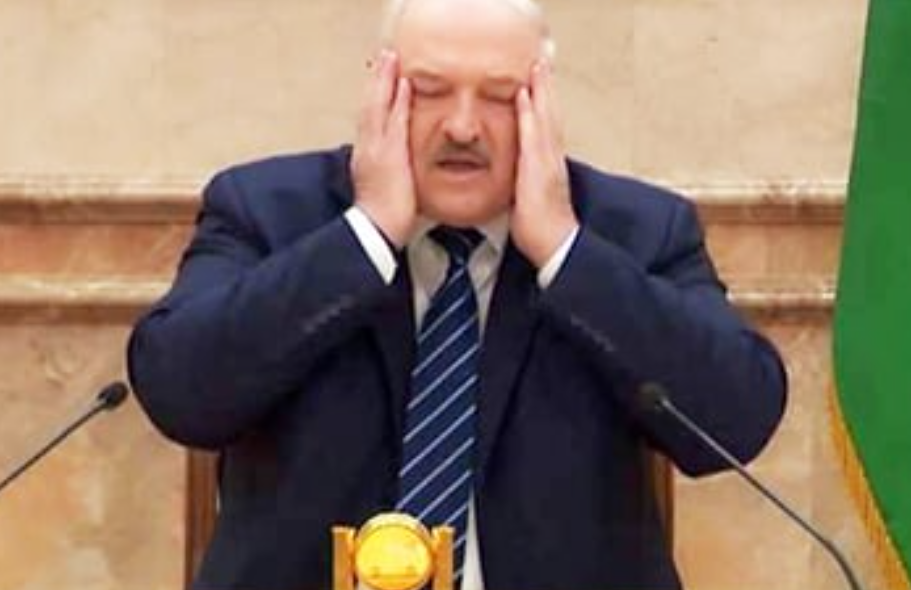
Within Lukashenko’s inner circle, there is talk that his behavior has become erratic. Over the past two weeks, he has been increasingly demanding data from the State Control Committee and the KGB, acting in a suspicious manner that borders on paranoia. He accuses the administrative hierarchy and local officials of failing to carry out his directives.
Everyone within the administrative apparatus is exhausted by his verbal attacks, whims, and constant, impossible demands. An invisible internal resistance—a form of sabotage—is taking shape. Without any prior coordination, officials and security-service personnel have intuitively shifted into a state of mental opposition.
There is not a single security official or bureaucrat left in Lukashenko’s circle who still holds any genuine respect or loyalty toward him. Everything is now rooted in a deep-seated, lingering fear—a source of tension that could potentially trigger a conspiracy.
Lukashenko is particularly enraged by the state of the industrial sector.
Every single major machine-building enterprise is deeply unprofitable; by the end of the year, the entire manufacturing sector—with the exception of the oil, potash, and nitrogen fertilizer industries—has posted losses. The State Control Committee provides daily reports, and the figures reveal staggering losses.
Lukashenko’s outbursts of rage and hysteria—demanding that problems be solved, officials dismissed, or people imprisoned—are met only with the powerlessness of bureaucrats, which has since curdled into apathy and even outright sabotage. During one meeting, Lukashenko flew into a rage over the regional governors, threatening to fire them all and replace them with “generals.”
Following that meeting, the first such replacement took place in the Vitebsk region. However, these attacks on the governors, combined with systematic inspections and threats of dismissal or imprisonment, have only produced the opposite effect. Officials have given up. The power vertical realizes that the country has reached a historical dead end, and—unlike in previous years—there is no light to be seen at the end of the tunnel.
Sources report that the trigger was the failure of negotiations with the Americans, the collapse of the plan to break out of economic isolation from the EU, and the defeat of Donald Trump and the Republican Party in the U.S. elections. Lukashenko has “no cards left to play.” It was precisely following the U.S. election results that he began to grasp the total collapse of all his future plans—a realization that has fueled the paranoid hysterics he now directs at his own henchmen.
We observe that the system has not experienced such an imbalance since August 2020. High-profile resignations and unpredictable appointments lie ahead.