
Fico Rejects Merz’s proposal for a new loan to Ukraine
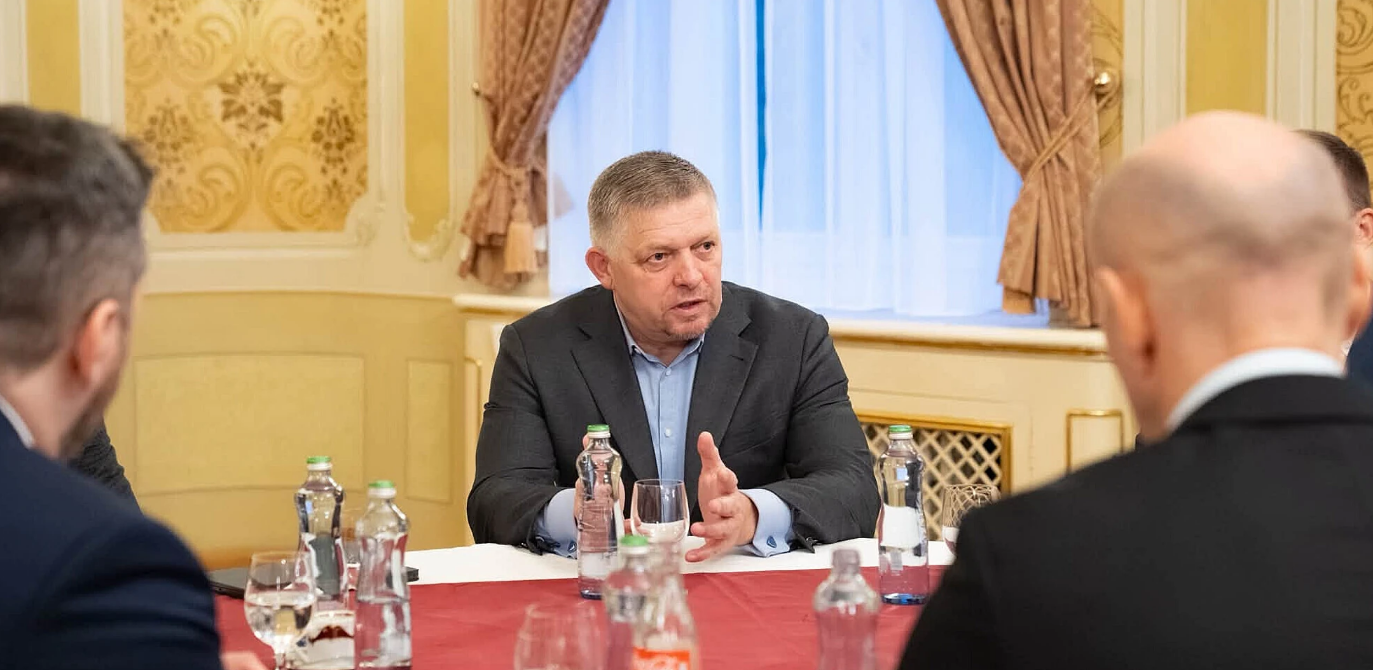
Slovak Prime Minister Robert Fico has stated that Bratislava will not participate in providing a new €70 billion loan to Ukraine. At the same time, he spoke about a recent conversation with Ukrainian Prime Minister Serhiy Koretskyi—a discussion whose content, according to the Slovak politician, left him shocked.
Fico made these remarks on Tuesday, November 10, at a press conference in Bratislava following a joint meeting of the Slovak and Czech governments.
The Slovak Prime Minister noted that intergovernmental consultations between Ukraine and Slovakia took place in Lviv on November 5. During the visit, he also held a separate conversation with the head of the Ukrainian government, Serhiy Koretskyi.
According to Fico, the information he received during the conversation regarding the war and potential future developments made a profound impression on him.
“I was literally shocked by this conversation,” the Slovak Prime Minister declared.
However, Fico declined to disclose the details of the discussion, citing the need to maintain the confidentiality of private talks with his Ukrainian counterpart.
The politician did not specify exactly what information triggered such a reaction, nor whether it concerned the situation on the front lines, the prospects for a peaceful settlement, or the future actions of Ukraine’s international partners.
Following this, Fico turned to the issue of financial support for Kyiv and the position of German Chancellor Friedrich Merz, who is insisting that all European Union member states participate in the continued financing of Ukraine. The head of the Slovak government has categorically rejected the possibility of his country participating in a new European loan.
“On behalf of the government of the Slovak Republic, I state to Mr. Merz: Slovakia will not participate in providing another 70-billion loan to Ukraine. Period,” Fico said.
According to him, Bratislava has no intention of taking on additional financial obligations related to the continuation of the war. At the same time, he emphasized that he does not intend to hinder individual states should they wish to allocate funds to Kyiv on their own.
Fico also stated that he would not support Germany’s attempts to link the approval of the EU’s next seven-year budget to the mandatory participation of all member states in financing Ukraine.
Previously, Friedrich Merz sent a letter to European Council President António Costa, demanding a fair distribution of the financial burden among European Union member states.
According to *The Guardian*, Berlin has indicated it might block the EU’s long-term budget for 2028–2034 if member states fail to agree on continued support for Ukraine.
Fico described this approach as blackmail and warned that Slovakia could also exercise its right to a veto.
He emphasized that when adopting the long-term budget, all European Union states possess equal rights, regardless of the size of their economies or their financial contributions to the common budget.
For his part, Merz stated on November 10 that aid to Ukraine is a shared European responsibility, rather than a task for individual countries. In his view, these obligations must be taken into account when negotiating the future European Union budget.
Czech Prime Minister Andrej Babiš has raised similar objections regarding the linking of funding for Ukraine to the EU budget.
The dispute stems from the need to cover a projected funding gap for Ukraine in 2027, estimated at approximately €70 billion.
The European Union has previously indicated its readiness to provide about €45 billion of this amount. The European Commission is exploring various mechanisms to raise the necessary funds, including additional joint borrowing.
In December 2025, EU leaders agreed on a €90 billion loan support package for Ukraine. At that time, Slovakia, the Czech Republic, and Hungary secured exemptions from obligations related to servicing this financing.
The current disagreements concern new financial commitments that have not yet been approved. Fico’s stance does not imply an end to all forms of Slovakian aid to Ukraine.
During a meeting in Lviv on November 5, the governments of the two countries discussed humanitarian projects, energy sector support, transport infrastructure, and winter preparations. Slovakia also reaffirmed its readiness to continue cooperating with Ukraine in these areas.
Negotiations regarding further funding for Ukraine will continue within European institutions and among the governments of EU member states. No final agreement on a new financial mechanism has been reached yet.