
People can disappear without explanation: number of missing persons reports on the rise in temporarily occupied territories
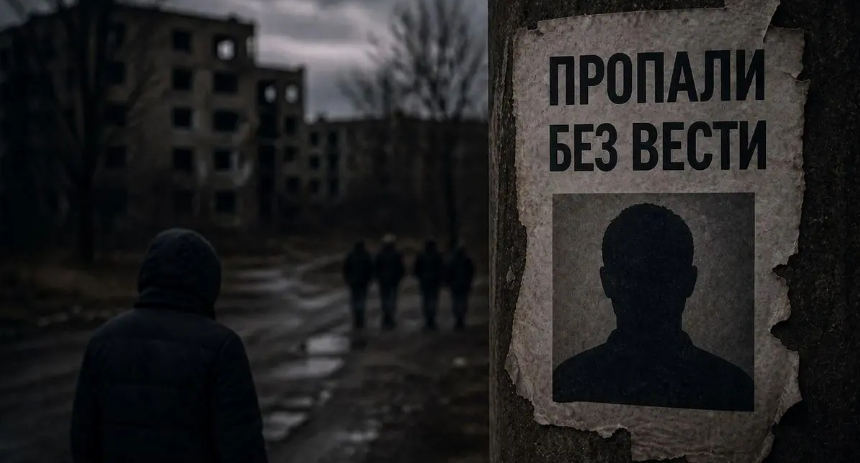
In the temporarily occupied territories, more and more applications are related to the search for missing persons.
“The problem is not only in the disappearances themselves. The problem is that the Russian system creates conditions under which people can simply disappear without explanation,” the Eastern Human Rights Group explained.
The reasons are various: hostilities; illegal detentions; detention in unofficial places of deprivation of liberty; forced mobilization; filtration measures; lack of communication and isolation of the occupied territories; fear of families to speak publicly about the disappearance, the Eastern Human Rights Group lists.
“Often people do not receive even basic information: where a person is, what their status is, or whether they are alive at all. That is why the number of missing people is constantly growing. This no longer looks like isolated cases. This is a sign of a systemic human rights crisis in the occupied territories. When society lives in constant uncertainty about the fate of loved ones, it becomes not only a humanitarian tragedy, but also a tool for controlling and intimidating the population,” human rights activists emphasize.