
Polish-Ukrainian Rift Over Historical Disputes Deepens
In brief: President Zelensky has mailed his Order of the White Eagle back to Polish President Karol Nawrocki, following the latter’s decision to revoke the honor over a historical dispute. The Ukrainian leader nevertheless emphasized Kyiv’s desire to continue bilateral cooperation, especially amid the war with Russia. In a show of unity, 3 other former presidents, as well as several serving and former senior officials and diplomats, have backed Zelensky with similar responses to Nawrocki’s action.
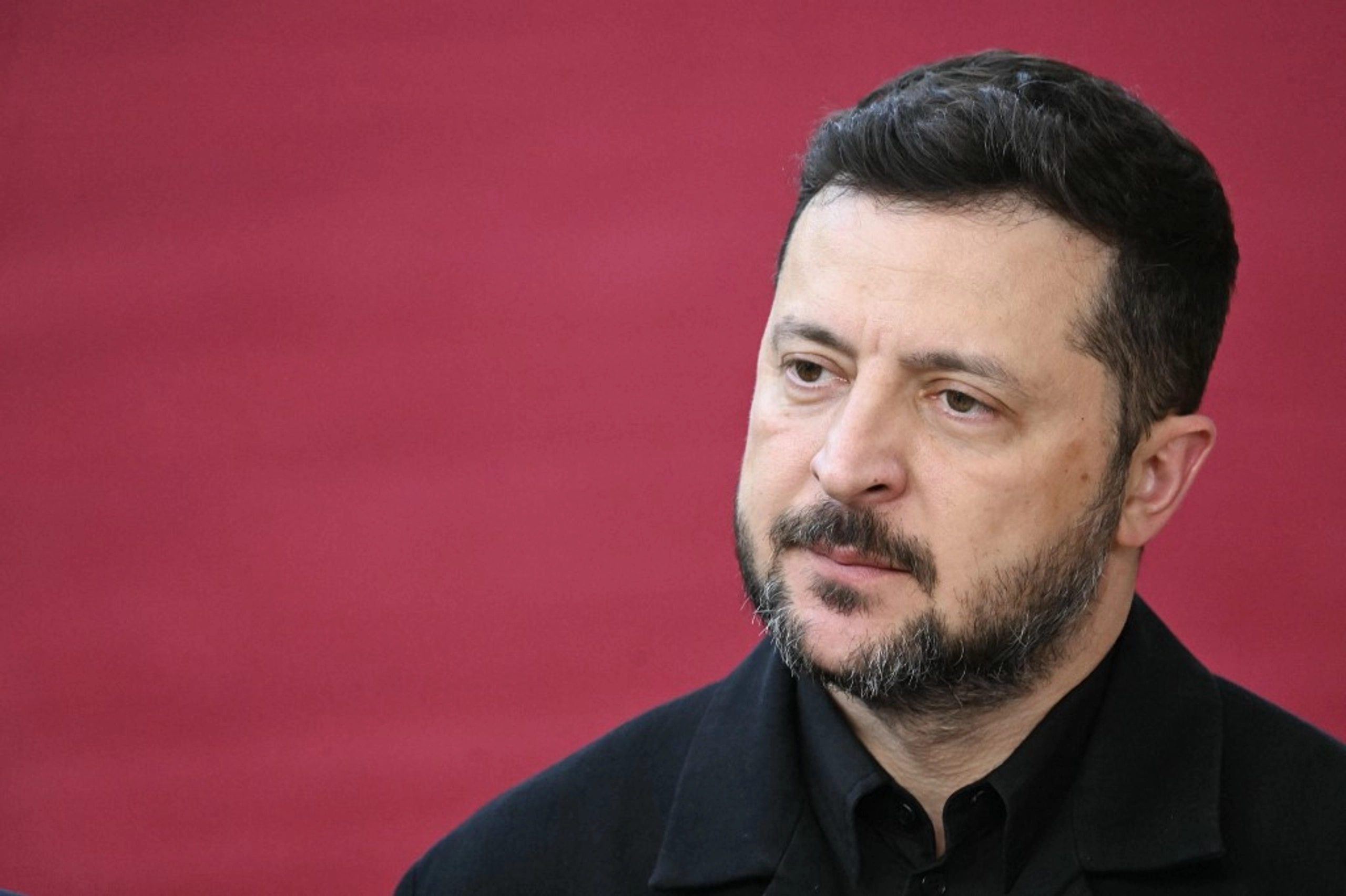
President Volodymyr Zelensky and three former Ukrainian presidents formally renounced the Order of the White Eagle, Poland’s highest state honor on Saturday, June 20.
Zelensky returns award
Zelensky announced that he had mailed the Order of the White Eagle back to Polish President Karol Nawrocki.
In a published statement, Zelensky referenced Nawrocki’s assertion that the order symbolizes the highest trust of the Republic of Poland and requires respect for the values that form the foundation of its community.
“If it is considered that this special symbol can remain with Catherine II, Benito Mussolini, and Gerhard Schroeder, then we in Ukraine will not argue with this,” Zelensky stated, accompanying his message with a photograph of the award being returned by mail.
Zelensky added that Ukraine remains grateful to its allies and is open to meaningful cooperation with Poland to prevent misinterpretations of historical events, while ensuring that the focus remains on regional security and preventing a Russian victory in Europe.
Former presidents issue statements
Following Zelensky’s announcement, former Presidents Leonid Kuchma, Viktor Yushchenko, and Petro Poroshenko also declared their refusal of the Order of the White Eagle.
Kuchma, who received the award in 1997, stated his decision was a direct response to Nawrocki’s actions. He referenced his past work with former Polish President Aleksander Kwasniewski to achieve historical reconciliation under the principle of “forgive and ask for forgiveness.”
“I have no other choice today but to refuse the high Polish order,” Kuchma stated. “Ukraine did not take up the fight against Russia, which justified its invasion with historical claims, so that today other countries could dictate our history and determine whom we should honor.”
Representatives for Yushchenko confirmed his refusal of the award, citing his disagreement with the revocation of Zelensky’s decoration. Yushchenko’s spokesperson highlighted past joint memorial events with former Polish President Lech Kaczynski in Huta Pieniacka and Pawlokoma. She stated that actions weakening bilateral unity ultimately serve the interests of the Kremlin.
Poroshenko also announced his refusal of the order, characterizing Nawrocki’s decision as incorrect and unfair to the Ukrainian people. Poroshenko stated that the awards granted to himself and Zelensky were meant to honor the Ukrainian citizens defending Europe. He called for the current tension to be resolved immediately to preserve the strategic partnership between Kyiv and Warsaw.
Background to the dispute
The diplomatic disagreement began when Nawrocki announced the revocation of Zelensky’s Order of the White Eagle. Nawrocki cited Ukraine’s decision to grant a military unit the honorary title “Heroes of the UPA.”
The Ukrainian Insurgent Army (UPA) is recognized in Ukraine for its role in the independence struggle, but Warsaw holds the organization responsible for the killings of Polish civilians in Volhynia and Eastern Galicia during World War II. Nawrocki stated that the naming of the unit went beyond Ukraine’s internal affairs and that Kyiv had not addressed Poland’s concerns regarding the issue.
In response to Nawrocki’s initial decision, Kyrylo Budanov, head of the Office of the President of Ukraine, and Ukrainian Foreign Minister Andrii Sybiha returned their respective Polish state awards, describing Warsaw’s actions as an artificial escalation of historical grievances.
Polish Prime Minister Donald Tusk has criticized the escalating conflict. Earlier, Tusk warned that the tensions over historical memory and state awards serve Russian interests, stating that the task of both presidents should be to calm the situation rather than incite further tension.