
Russia shifts tactics: Denmark reports sabotage against arms manufacturers supplying Ukraine
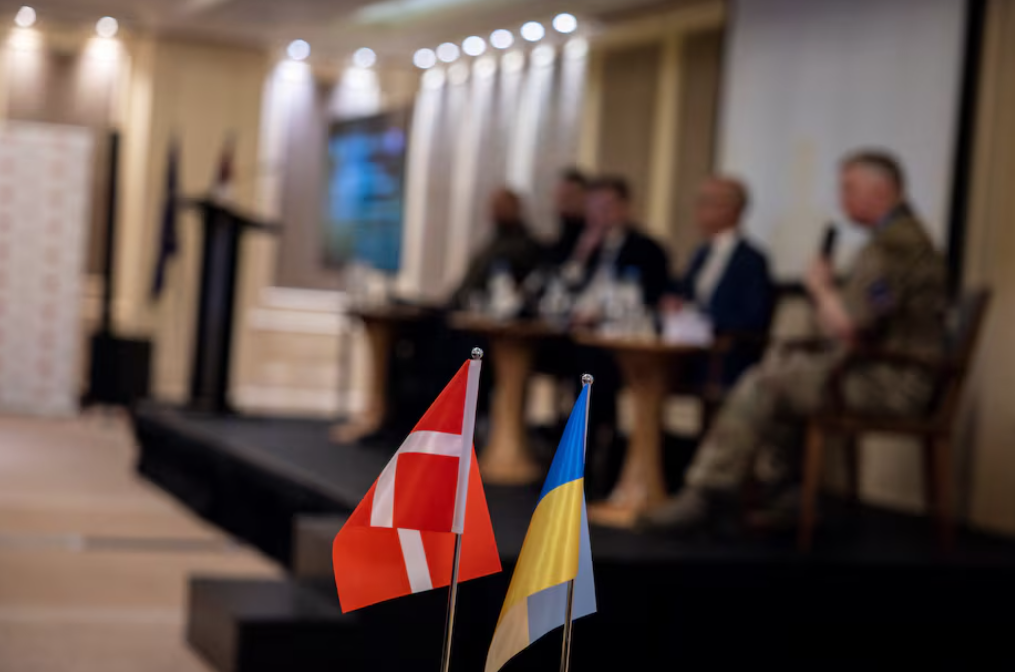
Danish intelligence notes that Moscow’s operational boldness is increasing.
Russia shifts tactics: Denmark reports sabotage against arms manufacturers supplying Ukraine.
A Danish intelligence official commented on Russia’s illicit activities.
Russia has launched sabotage operations against Danish defense companies supplying Ukraine after realizing that its hybrid attack efforts failed to deter Western military support for the country. A representative of the Danish Security and Intelligence Service (PET) announced this on Wednesday at a domestic security conference, Reuters reports.
“In the spring of 2026, we saw a lot of planning but very little execution; by early summer, we saw them begin to carry out much more,” the official said.
According to him, Russia concluded that its previous large-scale attacks had failed to deter the West from supporting Ukraine.
He emphasized that Moscow’s operational boldness is growing and that Russia is now “trying to hit targets that have a direct impact on the front line—meaning weapons production.”
The official cited a Russian Ministry of Defense list identifying European manufacturers of drones and drone components as potential military targets, though he did not provide further details. Furthermore, he revealed that Russia is increasingly using untrained intermediaries—such as the homeless and drug addicts—recruited via Telegram and other social media platforms.
According to PET, recruitment typically begins with low-level tasks, such as reconnaissance or photography, before escalating into actual sabotage operations.
“It could be anyone simply looking for quick cash. If the first person fails, they will pass the task on to someone else until the objective is achieved,” a Danish intelligence official stated.
Meanwhile, the Russian Embassy in Copenhagen rejected these allegations on Wednesday, asserting that Danish authorities were leveling baseless accusations against Russia.
NATO and European assessments regarding Russian hybrid attacks
In late September, Denmark outlined a scenario involving more frequent attacks on the West and NATO, carrying greater consequences for the targeted nations than previously seen.
Officials noted a “low but growing risk” that Russia might launch a limited military strike against one or more NATO countries bordering Russia.
Intelligence chief Thomas Ahrenkiel explained that such attacks could involve isolated strikes using long-range weapons—such as drones or missiles—against infrastructure supporting Ukraine, or “false flag” operations utilizing Ukrainian-made drones. According to him, Russia could also deploy a limited number of troops in the NATO border zone, possibly under the pretext of protecting Russian minorities.