
Russian strike on Kyiv: 3,300 high-rise buildings left without heat and electricity
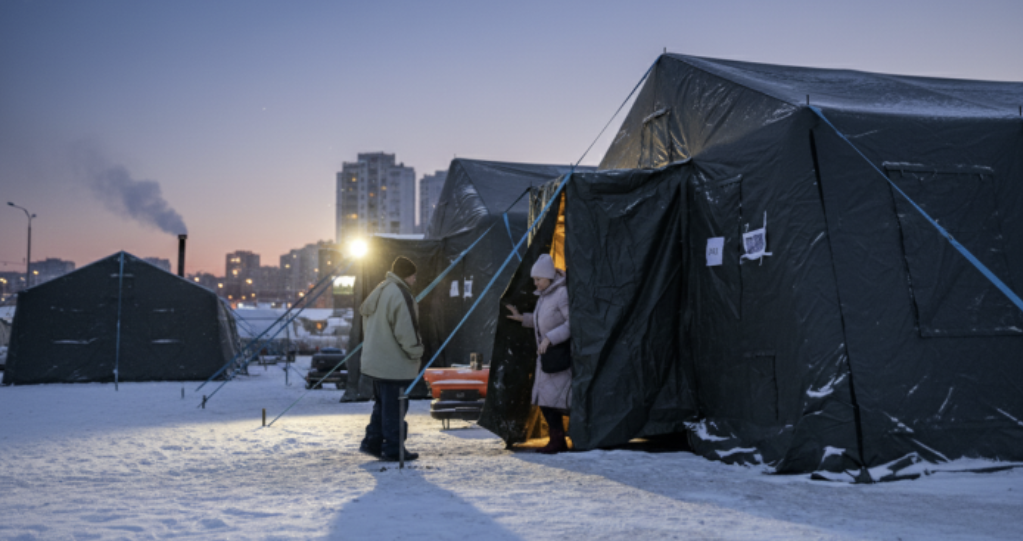
On the night of January 24, Kyiv was hit by a Russian strike, which led to emergency power outages, especially on the city’s left bank. As a result of the attack, 3,300 high-rise buildings were left without heat, and parts of the capital, including the Desnyanskyi district, were left without electricity. DTEK, the company responsible for electricity supply, reported significant damage to energy facilities that will take time to repair.
In January, Kyiv’s energy system was hit by four large-scale attacks. According to DTEK representatives, “since the beginning of the heating season, there has not been a single day without an attack on the country’s energy system.” The company’s teams are working around the clock, but each new attack complicates the recovery process, and it takes more and more time to restore light and heat. DTEK noted that the company has now switched to emergency modes of operation, focusing on restoring power to critical infrastructure.
Utilities have already restored water supply to Kyiv residents, but water may be unavailable on the upper floors of high-rise buildings due to a malfunction of the booster pumps, which is caused by a lack of electricity. The Minister of Community and Territorial Development of Ukraine, Oleksiy Kuleba, announced the arrival of a large batch of generators, a new delivery of which is expected in Ukraine within the next week. This can help reduce the negative consequences of the attacks and support the city’s residents in times of crisis.
The situation with Kyiv’s energy infrastructure remains critical, as regular attacks lead to serious consequences for the lives of citizens. Given the constant shelling, it is important that state and municipal services have the ability to quickly respond to the consequences of the attacks and provide the population with the necessary resources, such as electricity and water. The arrival of generators can be a temporary solution to support critical infrastructure in the ongoing crisis.