
Strike on the Dnipro city center: details about the destruction and victims
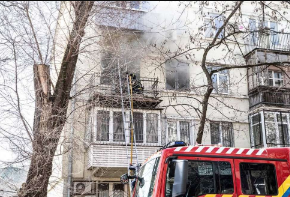
In Dnipro, damage continues to be calculated after another Russian drone attack on March 26. New details are emerging about the destruction in the residential sector and the condition of the victims.
According to updated data, at least seven multi-story buildings were damaged in the city center, and a gymnasium was also affected. The most extensive damage was sustained by a four-story building that was directly hit by a drone – its condition is currently being examined by specialists.
As reported by the Deputy Head of the Central Administration of the Dnipro City Council, Oleg Chernyak, 155 broken windows have already been recorded in residential buildings and an educational institution. A headquarters for the elimination of consequences has been deployed on site: commissions, utility services, police and philanthropists are working. Residents are being helped to fill out applications and materials are being issued for temporary closure of damage.
About 167 people live in the house that suffered the most damage. The water and gas supply is currently shut off there. A structural inspection is underway – after that, it will be decided when people will be able to return to their homes.
In parallel, utility workers are clearing the area of glass and debris. All relevant city services are involved in the work.
There are also victims. According to the regional military administration, a 90-year-old woman was hospitalized – her condition is assessed as moderate. Four more people are being treated on an outpatient basis: these are women aged 79 and 85 and men aged 86 and 55. Their condition is satisfactory.
Gas service worker from Dnipropetrovsk region injured by Russian shelling
While performing his professional duties, a locksmith from the Gazmerezh company was attacked by the armed forces of the Russian Federation. At the moment when he was performing maintenance, explosions occurred, as a result of which the worker received a shrapnel wound.
This incident highlights the risks associated with the work of utility services in a combat zone, as well as the dangers faced by personnel supporting the vital activity of infrastructure during war.